
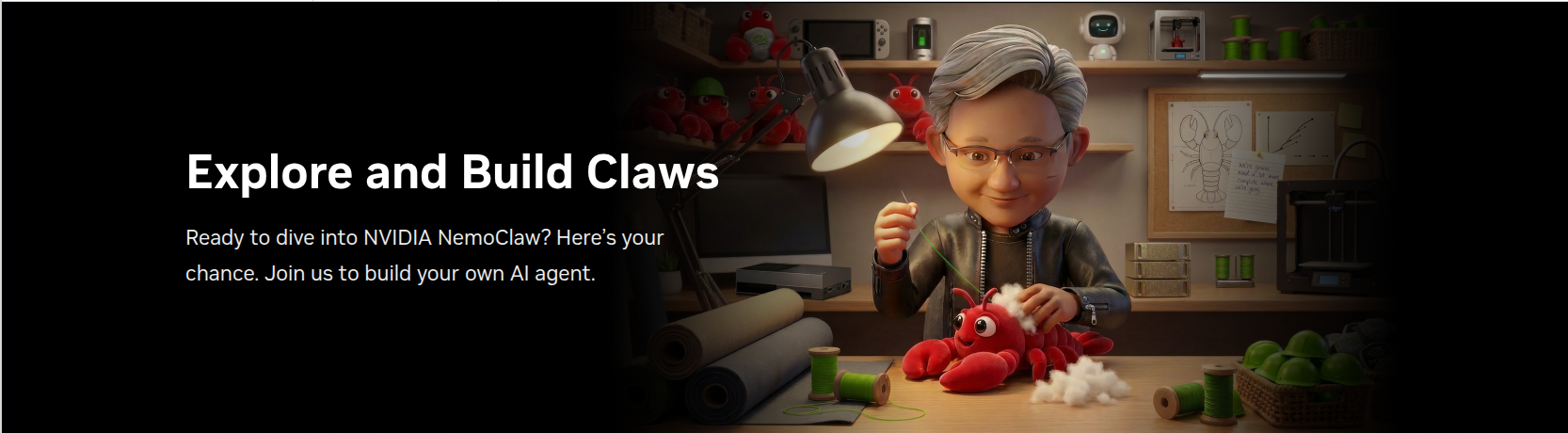
On 13 October 2026, NVIDIA organised the Build-A-Claw event at the Palau Reial de Pedralbes in Barcelona. The event focused on demonstrating the results and capabilities of recently developed AI Agents leveraging NVIDIA’s open-source NemoClaw framework. Participants could visit three spaces: a room with a stage for talks, an open space where they could view and enquire about AI Agent demos, and another open space where NVIDIA experts were available to discuss the technology in more depth with interested attendees.
The BSC fusion group, which focuses on research activities involving HPC for nuclear fusion and is interested in industrial and cutting-edge applications, seized the opportunity to attend the event.
The talks held in the first room covered the following topics:
- Keynote talk: “La transición hacia los agentes autónomos”.
- Panel talk: “Agentes en acción: cómo se está desarrollando con IA en España”.
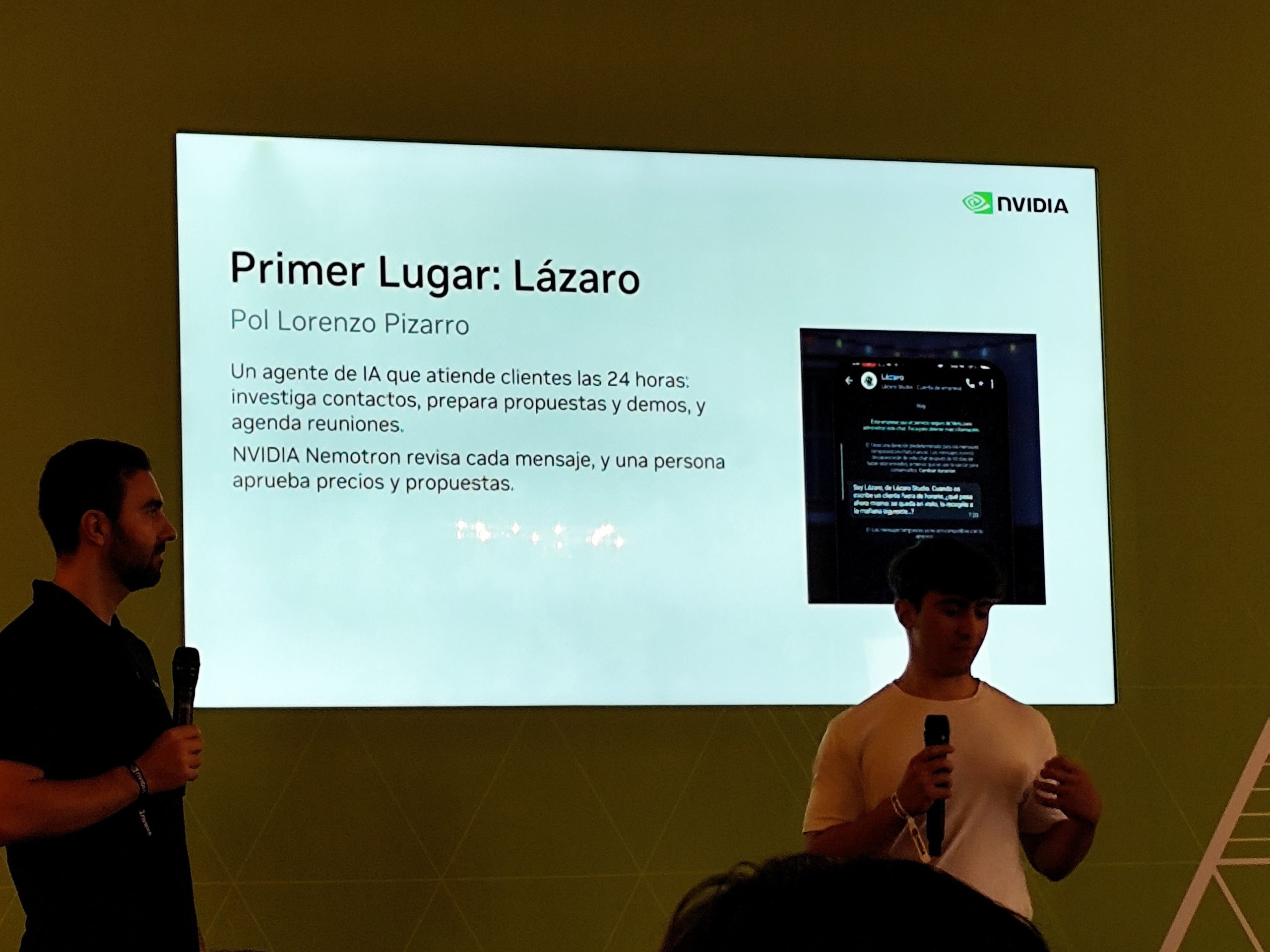
- Talk describing demos of the best selected projects in a Hackathon competition held in Barcelona: “Lo que se ha creado en Europa”.
The demos presented in the open space showed the application of AI Agents to several different tasks. Some examples of these tasks are:
- Run an AI model with a selected application and improve its performance by distillation
- Help the user organize his own agenda
- Moving a remote robotic arm
- Organizing Blender scenes
|
|
|
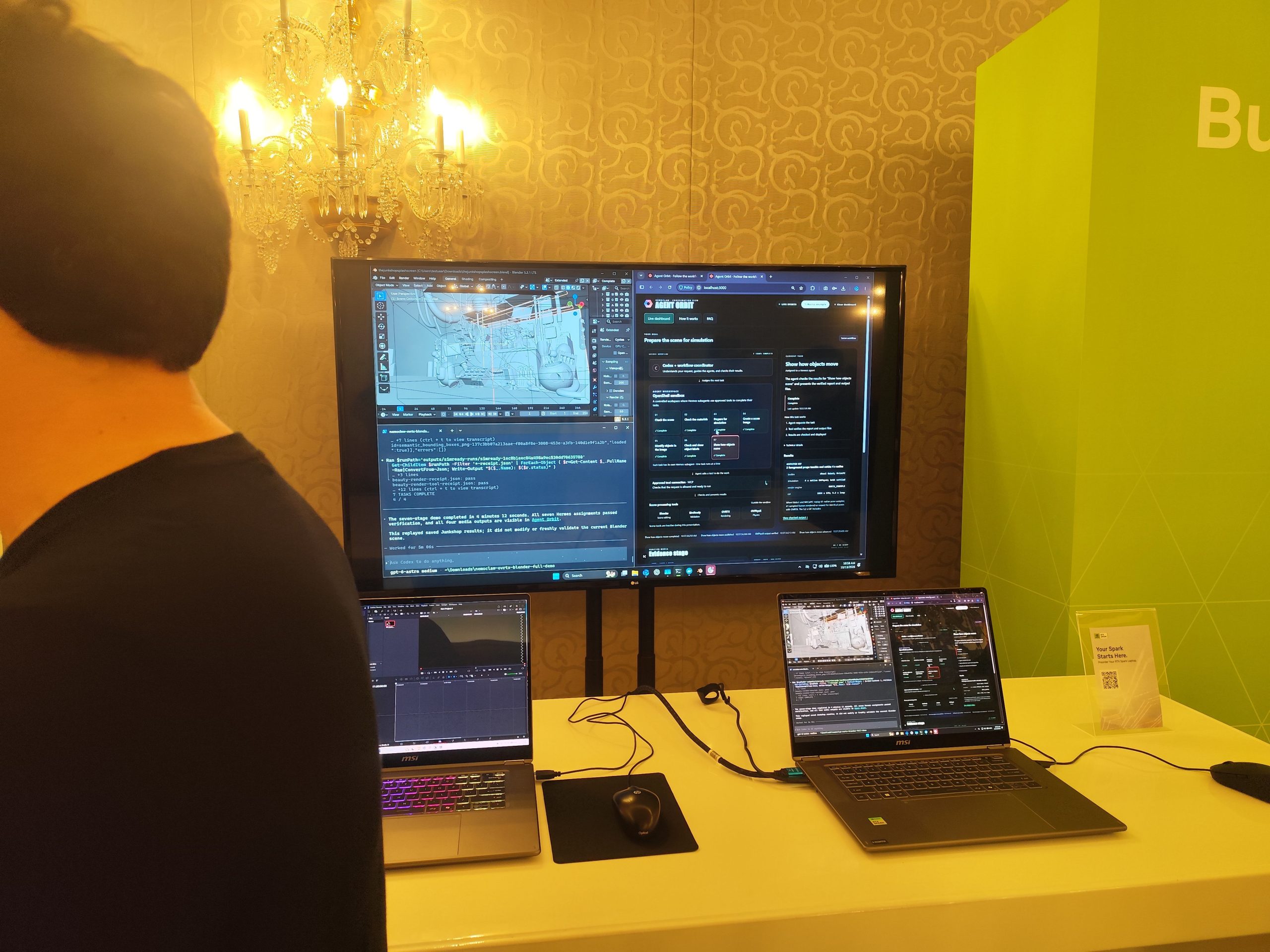
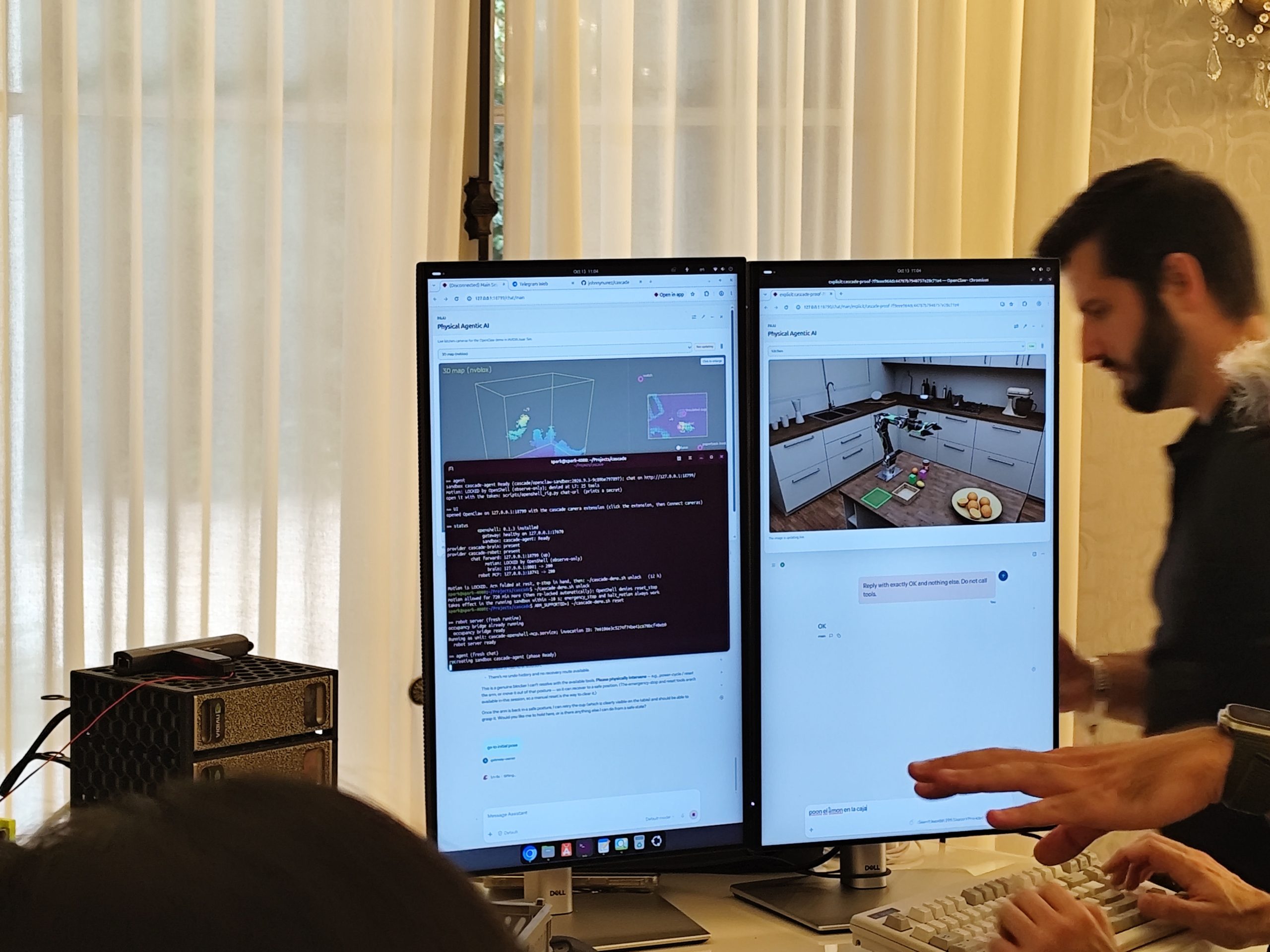
Interestingly, all of the AI agents presented required NVIDIA GPUs in order to run. This hardware can be provided locally in laptops by selecting the necessary resources, or via dedicated connected or remote bare metal hardware, or even through the cloud. Some of the demos presented at the workshop can be found via this link.
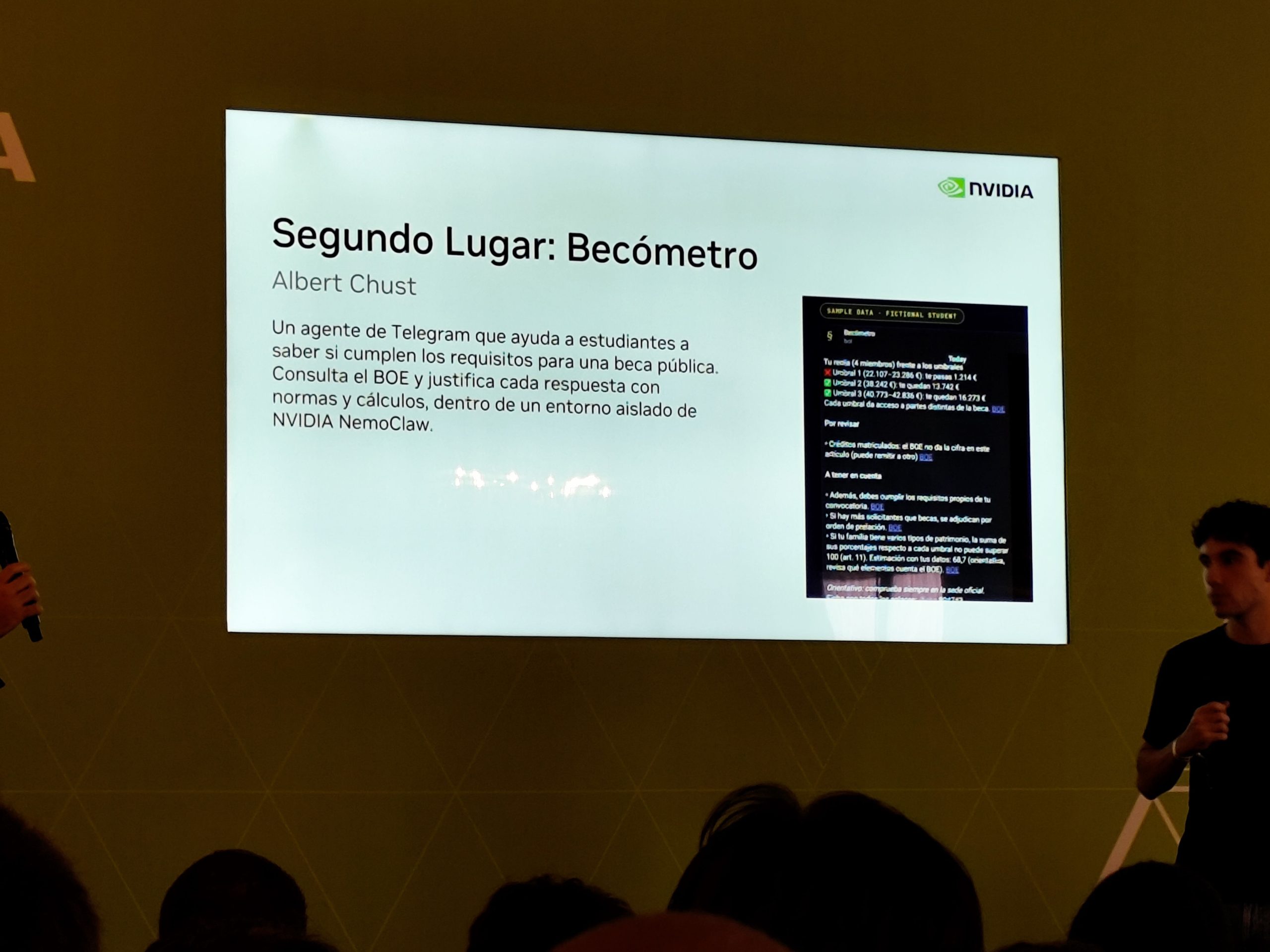
Finally, the two best projects from the Hackathon are worth mentioning: one, called ‘Lazaro’, assists companies with their clients, and the other, called ‘Becometro’, helps students understand if they are eligible for a scholarship.
|
|
|
Although the demonstrations were not directly related to industry, it was interesting to see how prevalent AI agents are becoming in everyday activities. The question now is how far we are from seeing AI agents being applied to complex and delicate workflows, such as those required in a nuclear fusion power plant. Of course, providing people with access to such instruments via open-source policies is accelerating this process.