Proton irradiation decelerates corrosion in structural materials from a molten salt reactor

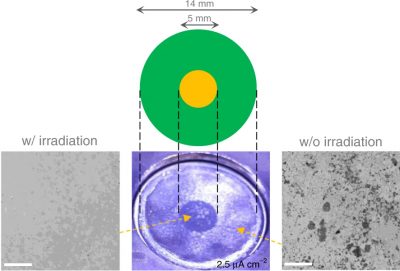
Beam-facing side comparison regions of Ni-20Cr samples. Schematic of the irradiated (in orange) and unirradiated (in green). Zones and SEM images of the beam-facing side of the Ni-20Cr foils after 4 h at 650 °C at a beam current density of 2.5 μA/cm^2. Scale bar: 200 μm. Image adapted from Nat.Comm. 11 (2020) 3430.

Radiation nearly always deteriorates the materials exposed to it, requiring replacement of key components in high-radiation environments such as nuclear reactors. But for certain alloys that could be used in fission or fusion reactors, the opposite turns out to be true: Researchers from MIT and Lawrence Berkeley National Laboratory have now found that instead of hastening the material’s degradation, radiation actually improves its resistance, potentially doubling the material’s useful lifetime. This finding came as a surprise to nuclear scientists and can be potentially used in new fusion reactors designs. The work lead by Weiyue Zhou and Prof. Michael Short have been recently published in Nature Communications.
Read more

Assembly of ITER begins

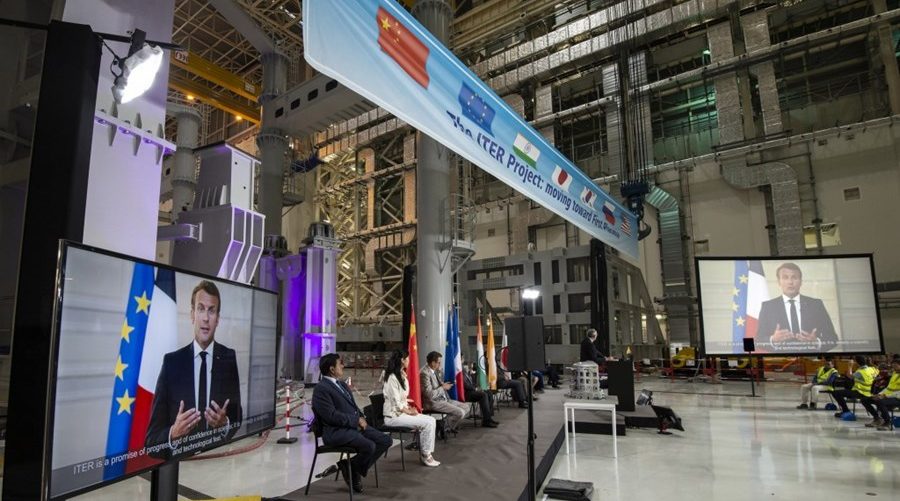
Celebrating the beginning of ITER assembly. (Source: ITER)

First-of-a-kind components have been arriving in recent months at the ITER construction site in Cadarache, France, from the 35 ITER member countries around the world. The arrival on July 21 of the first sector of the ITER vacuum vessel from South Korea marked the beginning of a four-and-a-half year machine assembly process for the world’s largest tokamak, a magnetic fusion device designed to prove the feasibility of fusion as an energy source.

On July 28, technical and civil leaders from ITER member countries celebrated the beginning of assembly with a global event hosted virtually by French President Emmanuel Macron and livestreamed on YouTube.

Read more

Six Rings to Rule the ITER Plasma

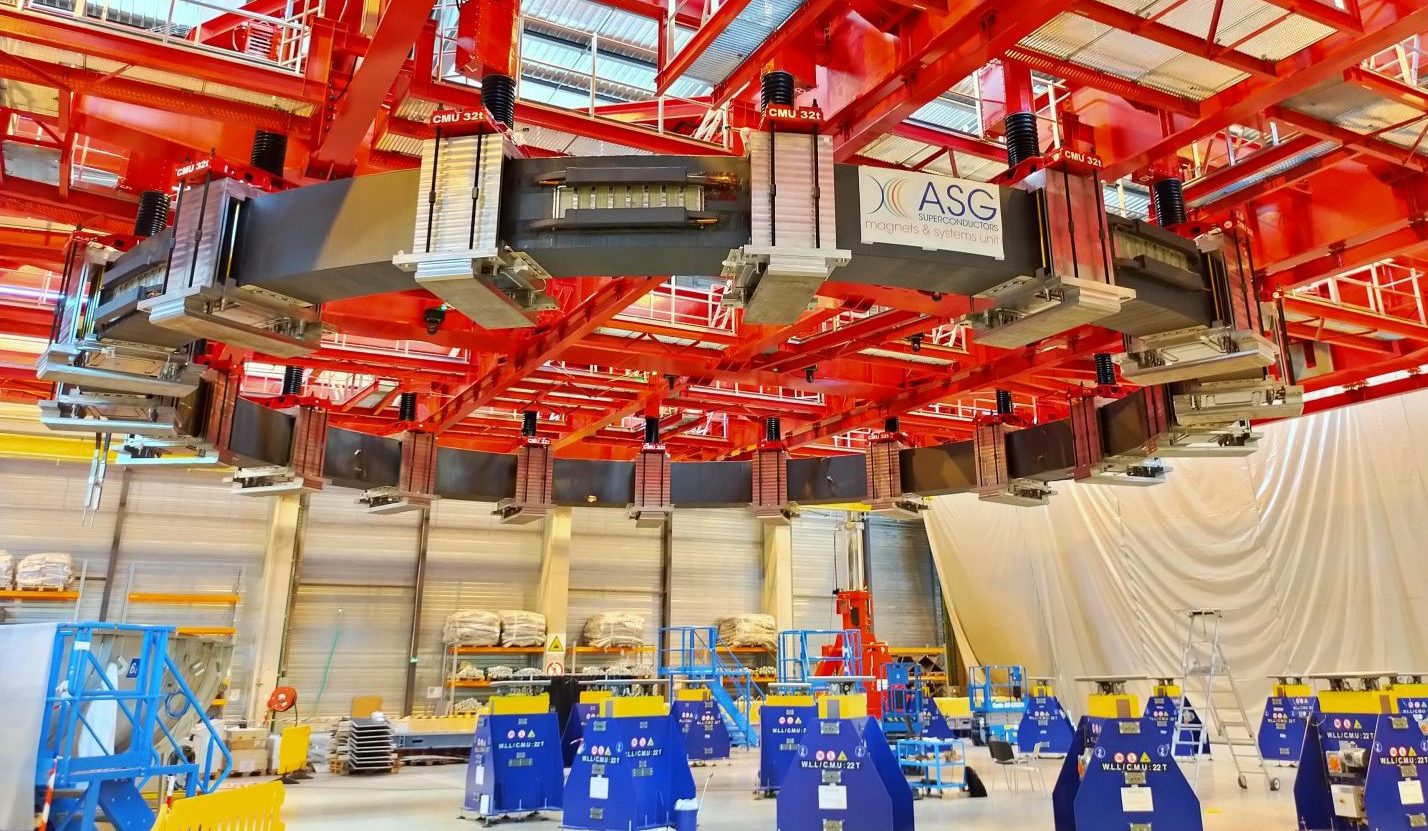
PF5 lifted with 18 clamps before cold tests in F4E Poloidal Field Coils Winding Factory at the ITER site, Cadarache. Source: F4E.

Due to their exceptionally large dimensions, four of the six poloidal field coils that will be installed in the ITER machine cannot be produced off site and shipped, and therefore have to be manufactured in the Poloidal Field Coils Winding Facility, a factory set up on the ITER site in Caradache, France. Fusion for Energy (F4E), the European Domestic Agency, is in charge of procuring five of these magnets, and manages the Poloidal Field Coils Winding Facility and the contractors involved in their fabrication.

Read more

Virtual tour to the MareNostrum supercomputer

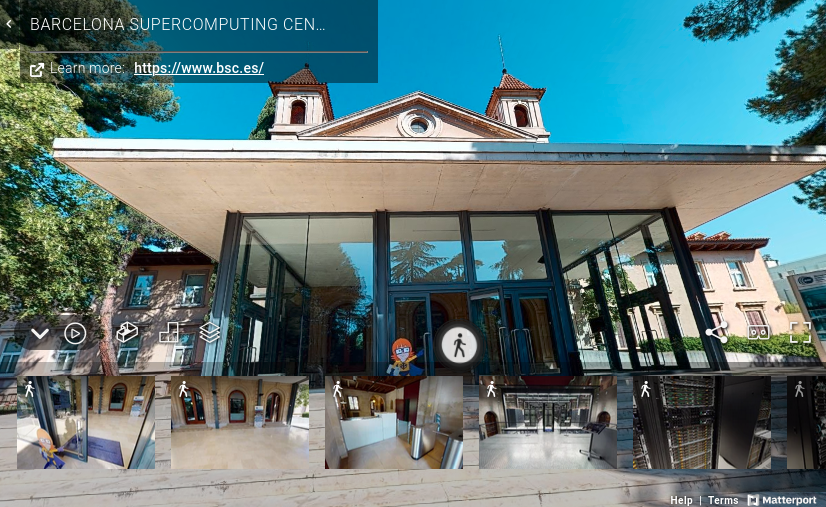
Screenshot MareNostrum supercomputer online tour. Source Matterport.com

The Barcelona Supercomputer Center has enabled a virtual tour of the MareNostrum 4 supercomputer. This tour allows to discover one of the most powerful supercomputers in Europe located in the beautiful chapel of Torre Girona. The chapel maintains ornamental elements such as stained glass and religious images that can be appreciated in the online visit. Moreover,  the tour gives access to parts restricted to the public such as the inside of the supercomputer cage.

Read more

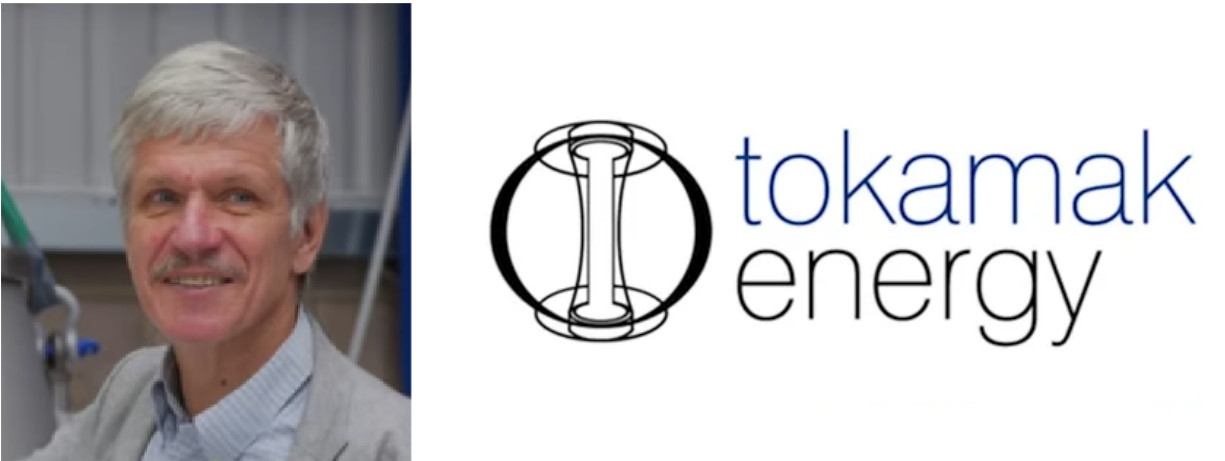
Join us for a webinar on “Faster Fusion through innovations” by Dr Gryaznevich from Tokamak Energy

We are excited to announce that we will host a webinar “Faster Fusion through innovations by Dr Mikhail Gryaznevich who is the founder, the Chief Scientist and a member of the executive board of Tokamak Energy. Tokamak Energy is a private fusion power research company based in the United Kingdom that has built several tokamaks with the aim of reaching commercial fusion power generation.

Date: September 14th, 2020
Time: 11:00-12:30 (CET); connections enabled from 10:30 am (CET) onwards.

Read more

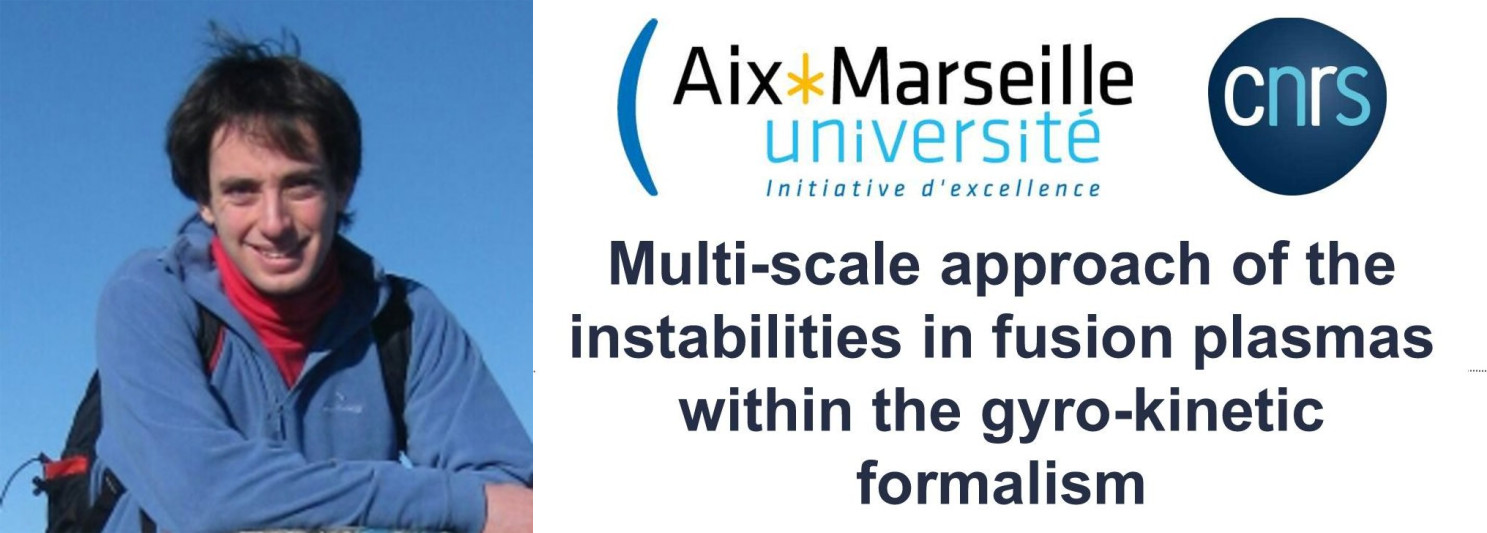
Congratulations to David Zarzoso on his Habilitation thesis in Fusion

Photo: David Zarzoso

Last Friday,  June 12, our group leader ICREA Prof. Mervi Mantsinen participated as an examiner in the defence of the Habilitation Thesis to Supervise Research by Dr David Zarzoso at Aix Marseille University, France.

Other jury members were Dr Sadruddin Benkadda, Prof. Alain Ghizzo, Dr. Taina Kurki-Suonio, Prof. Jean-Marcelo Rax, Prof. Raúl Sánchez, and Prof. Howard Wilson. The event took place via videoconference due to the present pandemia circumstances with strict social distancing measures which prevented the celebration of this event in person.

Read more